Problem
In Uganda people who live in remote areas have trouble accessing basic healthcare. There are clinics and doctors, but patients often have to travel far, which can be expensive and time-consuming.
We use innovative solutions to bridge the gap.
Find out more...
We use motorcycle taxis to deliver anti-retroviral treatment to remote communities with high rates of HIV. Find out more...
We partner with radio stations and health professionals to provide quality medical advice over the medium that Ugandans use most. Find out more...
Our programmes help our partners (community groups, health centres, radio stations) to improve people's lives. Find out more...
In Uganda people who live in remote areas have trouble accessing basic healthcare. There are clinics and doctors, but patients often have to travel far, which can be expensive and time-consuming.
Uganda has clinics, medical professionals, and a lot of services available to citizens free or at reasonable prices. While there may not be health workers near many villages, there are many ways to reach the people who live there.
Health Access Connect links Ugandans living in remote areas with healthcare resources.
Our programmes fix the problems of distribution while utilizing resources (health workers, medicine, community groups) already available in the country.

Reaching people in remote areas is not easy. We spend our time meeting with health workers and community members to understand their problems and brainstorm solutions.

We facilitate relationships among health centres, community groups, and other service providers. Building their coordination can have lasting effects.
With these priorities in mind, we've developed our two programmes:
Medicycles and Health Talk Radio Network.
One of the major roadblocks to helping people survive and reducing HIV infection rates is reaching people in remote areas with anti-retroviral therapy. We help to solve this by getting medical services directly to where people live.
A motorcycle taxi driver in the village receives a low interest lease-to-own agreement to purchase a motorcycle and pays off that motorcycle over 18 months.
As a condition of that loan, the driver has to make monthly trips to 3 or 4 nearby villages. On these trips, the driver transports two medical workers who carry medicine and testing supplies.

Costs of fuel and stipends for medical workers are paid for by a $0.17-$0.40 fee that community members collect from the people who attend the mobile clinics.
In the Ugandan fishing villages on Lake Victoria, the rate of HIV is high (over 30% in some places), and the "attrition rate," the number of people who go off care or are lost to the system, is also very high.
One motorcycle can serve 3 to 4 villages — up to 400 people living with HIV. Bringing care closer to people's homes making it easy for people to stay on treatment. Patients save money, about $2-$12 per month (a large amount of money for some people), which they can better save and invest in their lives, small businesses, and children's education.
The proportion of health workers to patients is very low in Uganda, so hospitals only conduct anti-retroviral treatment on a few days per month. Thus, health workers are overloaded with patients and do not get a lot of time to address their specific needs and questions. Patients on anti-retroviral medication have difficulty getting blood test results, a crucial component of effective treatment.
With Medicycles, we are able to schedule blood samples to be delivered on days when the testing lab is available. Additionally, health workers get more time with patients and reduce their work load on the normal anti-retroviral treatment days.
Most motorcycle taxi drivers in Uganda rent their motorcycles from owners at high rates and end up taking home only a small income. Thus, they have difficulty saving up to buy their own motorcycle, send their children to good schools, improve their homes, and build other sources of income.
We offer a low interest loan (10% per year) with payments that are less than they would pay to rent a motorcycle from someone else. Additionally, we collect compulsory savings from their payments (also 10% per year) that drivers receive after they've paid off the loan after 18 months.
 Quality Medical Information to People's Homes
 Health talk radio shows can help health workers serve even the most remote villages
What happens if you get a concussion, you have chest pains, or you have a reaction to medicine, and the nearest hospital is over an hour away? You need advice from a health worker.
In rural areas of Uganda, radio is the most common form of media. Late at night and throughout the day, all families are tuned into their radios.
People get dubious health advice from many different sources (local healers, neighbors, advertisements, editorials etc.). Health workers have the information that people need to make good decisions.
Each program should have a time for people to call in and ask questions. Health workers can diagnose the problem and give advice, or they can tell the patient that they need to go to the hospital.
Health talk radio programs are popular in places where they are offered, so we sit down with station managers to figure out what they need – reliable health worker hosts, advertising, point person to organize, etc. – and bridge the gap.
Station managers and presenters have a lot to learn from one another. There are stations with over 10 years of experience organizing a health talk radio program, and there are some who can use that experience to improve the service they provide to their audience.
What radio stations really need is improved revenue. By packaging health talk programs to present to advertisers and donors, we can help them reach broader audiences and fulfill corporate responsibility goals.

Kisasi, Kampala, Uganda
We focus on remote fishing villages on Lake Victoria. We currently have programs in Kalangala and Mukono districts.
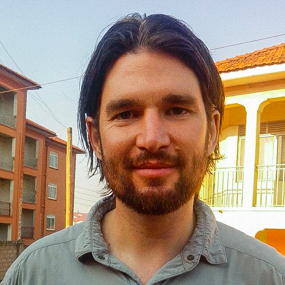
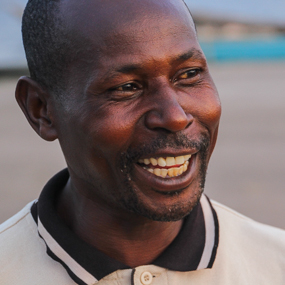
Any questions? Email our directors: and .
Thank you for your interest in our work. If you have any comments or suggestions, our directors would love to hear from you.